Mint juleps–sugary booze and spearmint–with a solid wood note on the bottom.
Becomes a skin scent quickly, but lingers louder on clothes.
It’s got some of the XY gene of Eros and Bleu de Chanel, but with an organic softness that makes me nostalgic for the head shop that sold the best handmade candles and always played B.B. King albums.
The scent might be too simple to represent the complex history of the barrelhouses of the South that gave birth to the blues–but there’s an earthy sweetness to it that I’d enjoy on a guy with a good voice.
Coin shaped flask with iconic gold and turquoise label, red and gold cap, and cut limes in the sun.
A splash of limeade and orange zest, a rub of basil and flower petals, a breath of cedar, and then it’s gone.
The brevity is a strength–4711 glories in its opening moment, the interaction of refreshment, the awakening.
Many of us grew up with this one in the medicine chest rather than the vanity, used to disinfect cuts and soothe burns. It’s still one of my favorite comfort scents.
Haydn’s Surprise Symphony (No. 94) came out in in 1792 too.
A long sweet lemony opening, with black currant herb tea, and then birch bark. The pine needles develop an hour later, woodsy green but sugary, the way a forest smells after snow.
Lasts the morning on the wrist, and on the cuffs all day.
It’s swanky, in an understated way–clean projection but mouth watering up close–and makes me look forward to winter.
Måns Zelmerlöw, of Swedish Eurovision fame, released this cheerful tune in 2016, too.
Bottle of Dear John on piano keys, with reflections.
I tested this one in the store, and loved the cloves–it faded to spiced coffee on the skin after a few hours, but I huffed my wrist all evening–and the next day I went back for a bottle. Maybe the weather had changed, but the woodsy notes wound up being more than I bargained for, too green, too feral-tree-sprite than the Turkish cafe I thought I was getting.
I gave it my brother, who can pull off forest faun with just a smirk. It suits him.
I bought this at the LUSH store in Stockholm. Theses guys come from there, too.
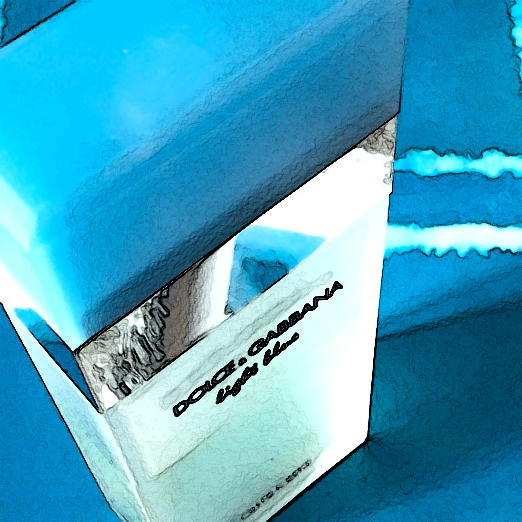
On a good day, Light Blue smells like sweet lemonade and apples, roses and cedar, and finishes with cool musk.
On an off day, it can smell like old shoes and lemon oil disinfectant.
Oddly unalluring for such a popular fragrance–though sweet and fresh, there’s no come-hither, smell-me-closer-tiny-dancer to it anywhere. The projection is a pretty shield around the body, encouraging a step backward–respect for personal space, rather than an invitation inside.
This one opens with a ’70’s record scratch of thorny green rose then settles into a good long roll in the hay while listening to Joni Mitchell albums–but then the pepper leaves you itchy, and you’re vaguely aware that a cat has peed nearby.
To be fair, this is a nearly fifty-year-old bottle of perfume, and it may have soured a little.
(The same might be said for my nearly fifty-year-old nose.)
The fashion illustrator René Gruau’s 1953 advertisement for Jacques Griffe’s Mistigri is much more famous than the perfume ever was, but I’ve always been curious about the scent.
I finally managed to score a 70-year-old vintage mini, the little box (made to look like a deck of cards–the mistigri is the Jack of Clubs, as well as the trickster cat–still intact. The bottle even had the string on the cap, though it fell apart as soon as I opened the stopper.
A dried up drop was left, a flake of amber brown in the corner of the bottle that smelled like every fusty antique store and estate sale.
Disappointing–
–until I rinsed it out, and the warm water brought a green chypre to life, resinous and floral. Some sharp pepper and flirty cloves were mixed in there too.
An hour later the room smells faintly of cedar and the soapy-sweetness of Chanel No. 5, in a trousseau chest with a secret kind-of-way.
So Mistigri was a nice scent, though nothing amazing. But the cat drawing on the box? I want a poster of that on my wall.
My favorite Catwoman, Eartha Kitt released C’est Si Bon in 1953.

 Mint juleps–sugary booze and spearmint–with a solid wood note on the bottom.

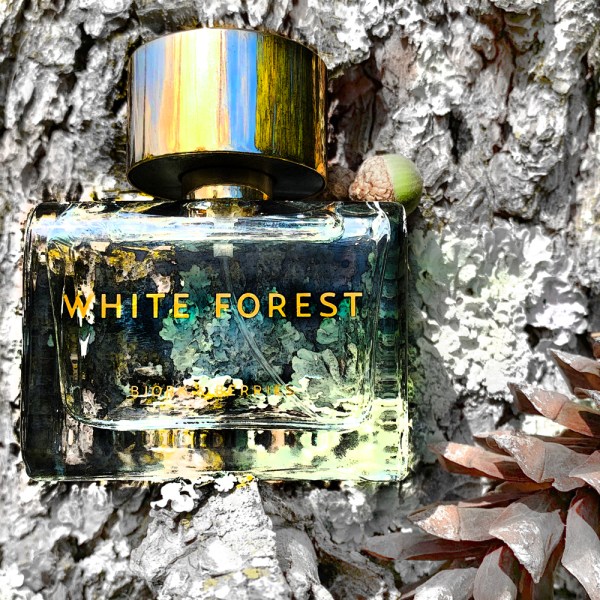 A long sweet lemony opening, with black currant herb tea, and then birch bark. The pine needles develop an hour later, woodsy green but sugary, the way a forest smells after snow.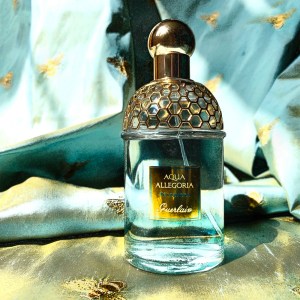


 This one, like
 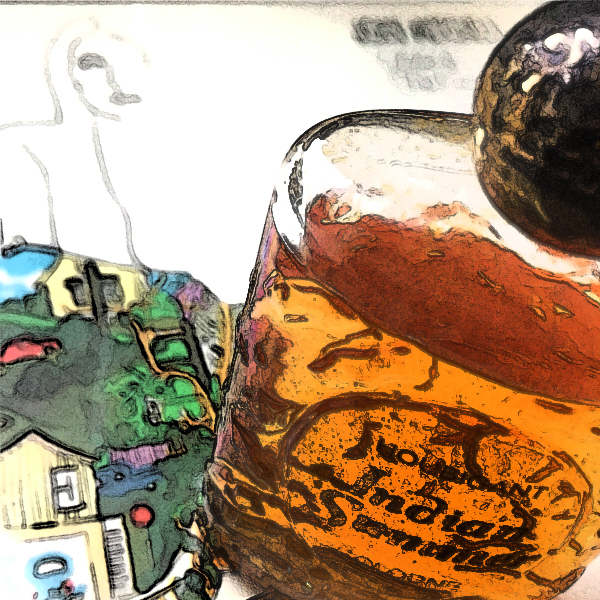 This one opens with a ’70’s record scratch of thorny green rose then settles into a good long roll in the hay while listening to Joni Mitchell albums–but then the pepper leaves you itchy, and you’re vaguely aware that a cat has peed nearby.
 The fashion illustrator Ren
 kira a. gold