This smells like the hand sanitizer in an outdoor wedding port-a-potty. It’s been monogrammed with the bride and groom’s initials and sports a real rosebud with a ribbon bow–but still leaves one desperate to wash the hands properly.
Pink florals on top, white musk and miniature bubble wands on the bottom.
Plums are tasted, roses are plucked.
Night flowers bloom, then fade after a few hours, leaving a long trail of powdery musk behind.
No one speaks of it in the daytime.
It’s gorgeous and delicate, yet a bit naughty.
2001 also saw the release of one of my very favorite French movies.
Opens with a sheer boozy rose that I’d love if it were louder–then I’m glad it isn’t as it settles into a discordant vanilla.
Slowly eases into a generic auto-tuned amber that isn’t horrible on the on skin but is irritatingly musty (and tenacious) on cotton.
The top note is so pretty, but the rest of it just doesn’t hold up.
I’ve a sneaky that more attention was paid to the packaging than the contents.
This song came out in 2003, too. It’s got a bit more substance than fashion.
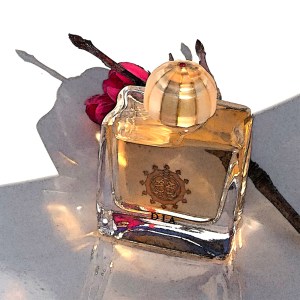
Very topographical–at arms length an easy breeze, in personal space it becomes new blooming roses edged with silvery musk, and on the skin it’s budding orchard trees and soap lather–and lasts that way for hours.
Some scattered herbs keep it organic, and a touch of incense smoke gives it a bit of body.
Lovely, but for me, spring is usually March storms and mud-season, messy and chaotic. This is too refined.
This breezy-but-refined song topped charts in 2002, when Amouage first released Dia.
Mini bottle (it stands about an inch and a half tall) with orange bow and label with a (…tea cozy?) (…woman in a huge hoop skirt?) illustration in black and orange.
Vintage rose from an antique reference set. (Perfumeintelligence suggests this one was first formulated in Parma, Italy, in 1880.)
So how do you define what a rose smells like? This one does a pretty good job of it–
Opens with airy pastel buds, lemony with sugar in the tea, then ripens with earthy green leaves and bright fruity rosehip wine. The dry down is exactly that, dried petals–dusty, musky and spicy sweet with a hint of powdery cloves.
This one should come with a warning: a little bit goes a loooong way.
Miles.
Leagues.
Frothy aldehydic opening, mimosa sweet–the whole blooming tree, not just one flower. Then the cat spray hits–make that three cats, two toms fighting over a queen–though the roses and patchouli do their best to drown them out.
After a few hours, moss creeps in and covers everything under the roses–everything–your skin, your house, your neighborhood–turning them into herbal topiary sculptures that cast weird spicy green rose-shaped shadows until the sun goes down.
Except they’re there the next day. And the next. You can’t outrun this stuff. It laughs at hot showers, goes swimming in the laundry, dances under the garden hose.
Please send help.
Knowing came out in 1988, along with Enya’s Orinoco Flow. A little of that goes a long way, too. Here’s the shortest cover I could find.
Unusual and interesting.
Opens with a blast of fruity-booze-pepper-smoke, then settles into a really nice herbal–almost medicinal–leathery rose.
The usual feminine notes are switched up, jasmine given muscles and a short-back-and-sides haircut, sweet amber sheared sharp, carnations with teeth.
I’d huff it on a guy in a big way, but I’ll wear it too, with chunky shoes and a rough sweater, in the fall.
This alternative hit (also from 1989) mixes funk and sweetness with an easy groove.
Magazine peelie of couple–a reminder to see if Romance was still as good as I remembered on my next shopping trip. (It wasn’t.)
A rose by any other name would probably smell better.
When this came out 20 years ago, the chamomile tea opening made it special, something unique for the teenage set, a touch of class. The current version is cut too deep with ginger lemon cough drops, and it’s lost its delicacy. Now it just smells like every floral musk deodorant marketed to high school girls.
Okay, so maybe I need to listen to Aretha a bit more. (This one came out in 1998, too.)
I blind bought this one because of the name and the price and it turned out to be a great summer scent, fresh and sweet and playful.
Wet peaches on a warm evening, and grapefruit candy–the jelly kind crusted with sugar crystals–for a few hours, with roses on the bottom. The watery note lingers on clothes til morning.
There’s something unpretentious about it. Not cheap (well, actually, it is–Oriflame is Sweden’s Avon, and bottles can be had for less than ten euros) but uncomplicated and fun.
This uncomplicated and fun Swedish hit also came in 2016.

 This smells like the hand sanitizer in an outdoor wedding port-a-potty. It’s been monogrammed with the bride and groom’s initials and sports a real rosebud with a ribbon bow–but still leaves one desperate to wash the hands properly.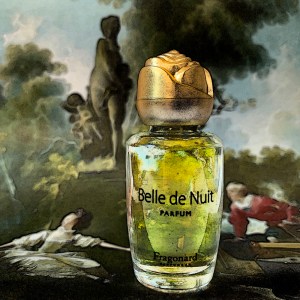
 Opens with a sheer boozy rose that I’d love if it were louder–then I’m glad it isn’t as it settles into a discordant vanilla.
 The perfect spring, distilled into liquid form.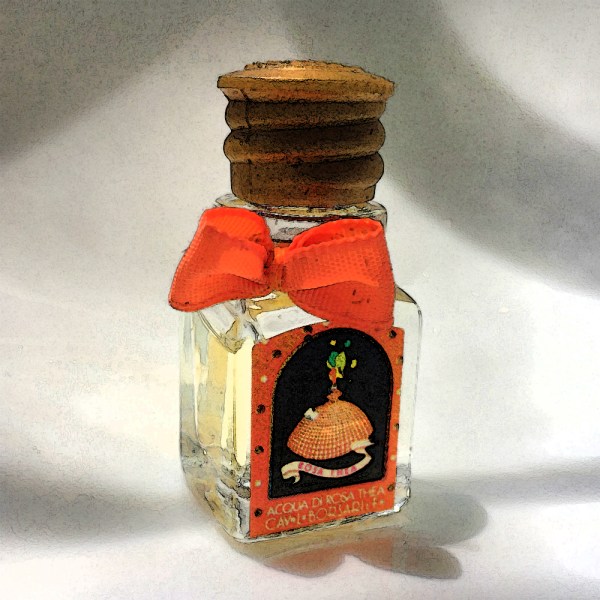
 This one should come with a warning: a little bit goes a loooong way.
 Unusual and interesting.
 Tea rose with dark chocolate underneath for hours and hours.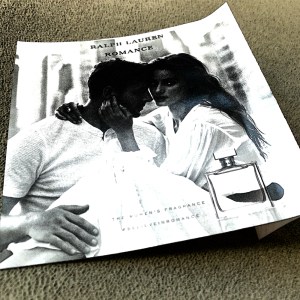
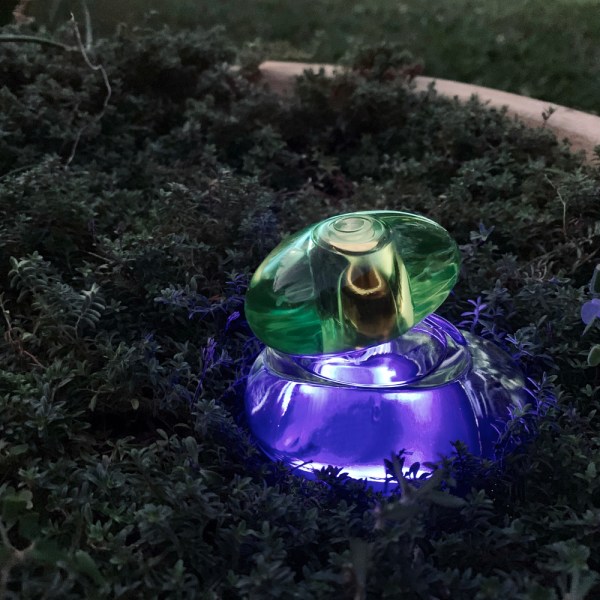 I blind bought this one because of the name and the price and it turned out to be a great summer scent, fresh and sweet and playful.
 kira a. gold